

April 2026
Stronger Connections, Healthier Communities
On April 14, 2026 by Gina DiMaggio
What if the key to healthy longevity wasn’t just healthcare—but stronger community connections?
Across rural Minnesota, communities are proving that when local organizations, healthcare providers, and neighbors work together, older adults can stay healthier, more independent, and more connected.
The LeadingAge Minnesota Foundation’s Connected Communities for Healthy Aging initiative is helping communities build the partnerships and systems needed to support aging well—right where people live.
Through Connected Communities, local coalitions are strengthening the “connective tissue” of their communities—linking healthcare, social services, and community resources so older adults can more easily access the support they need.
Comfort and Support for Aging Adults
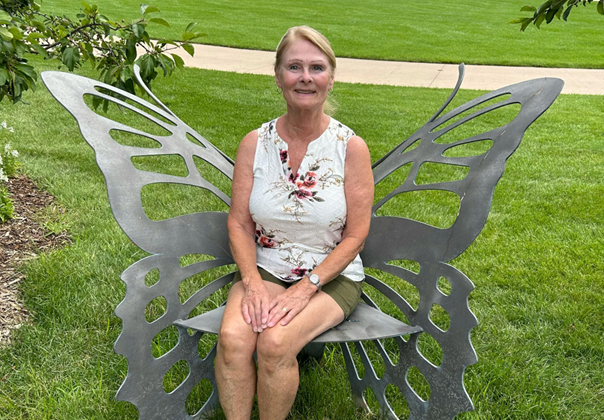
75-year-old Vickey Mann recently began facing some new health concerns and now stays home during the day while her husband goes to work. As a result, she found herself worrying more about her safety and independence.
Through the Connected Community of Freeborn County, Vickey was introduced to an innovative virtual home care program designed to support older adults living independently. Zemplee, an AI-powered monitoring system and wellness platform, tracks her daily movements and vital health signs. It can also check in with questions and provide guidance when needed.
The technology offers gentle monitoring and alerts if something seems unusual—but for Vickey, the greatest benefit is the peace of mind it brings.
“I just like the comfort of it. I’m calm and secure with it. That’s the biggest thing.”
Vickey has been able to stay in her home of 28 years, doing the things she loves and going about her life as usual. It gives her peace of mind and a sense of safety. Stories like Vickey’s illustrate what Connected Communities is all about: helping older adults stay safe, maintain their independence, and remain supported and connected in the communities they call home.
See Vickey’s whole story in the StarTribune.
Why This Work Matters
As our population ages, communities across the state are confronting a growing challenge: how to ensure older adults can remain healthy, connected, and supported where they live. The Minnesota Department of Health’s Longevity: Recommendations to Reduce Social Isolation and Enhance Social Connection in Rural Minnesota report highlights social isolation as a significant public health concern for older adults—one that affects health outcomes, quality of life, and the long-term vitality of rural communities.
The report emphasizes that improving longevity and wellbeing requires more than healthcare services alone. It calls for community-based solutions that strengthen social connection, support continued engagement in community life, and build local infrastructure that helps people age well.
Connected Communities is highlighted in the report as an example of this kind of approach. By bringing together aging services providers, community partners, and local leaders, the initiative helps communities design solutions that address the social, economic, and health factors that shape how people age. These partnerships create new opportunities for older adults to remain connected to their neighbors, their communities, and the services they need to thrive.
At its core, Connected Communities recognizes that healthy aging happens in community. When communities intentionally build systems that support connection, belonging, and care, they not only improve the lives of older adults—they strengthen the long-term resilience and vitality of the entire region.
Connected Communities 2025 Impact At A Glance
All data for two legacy pilot sites unless otherwise noted. Impact data for all five pilots expected by the end of 2026.
8,944 people supported
Older adults and caregivers connected to services, programs, and care coordination.
$1.47 million in estimated health care savings
Through improved prevention, care coordination, and reduced emergency utilization.
668 community partnerships built*
Healthcare providers, nonprofits, local governments, businesses, and volunteers working together.
4,485 people engaged in social connection and mental wellbeing programs
Helping reduce isolation and strengthen community engagement.
*Across all five pilot sites
A Model for the Future of Healthy Longevity
As Minnesota continues exploring strategies to support healthy longevity, the lessons from Connected Communities are clear.
When communities work together—sharing resources, building partnerships, and centering the needs of older adults—they can improve health, strengthen local economies, and create places where people can thrive at every stage of life.
Connected Communities is showing that stronger connections lead to healthier communities.