2026 Assisted Living Conference
August 12 - 13, 2026
Heritage Center of Brooklyn Center
Directions
Make plans to join us August 12–13 for LeadingAge Minnesota’s Assisted Living Conference at the Heritage Center of Brooklyn Center— designed with your day-to-day challenges in mind. This year’s event delivers targeted training, essential updates, and practical tools to help you meet state requirements and provide exceptional care for your residents.
Register now to save your spot. The session schedule will be announced in mid-June and you will have the opportunity to view and select the sessions you plan to attend.
Conference highlights:
· Earn up to 10 clock hours for MN licensed AL Directors.
· 25 Education Sessions
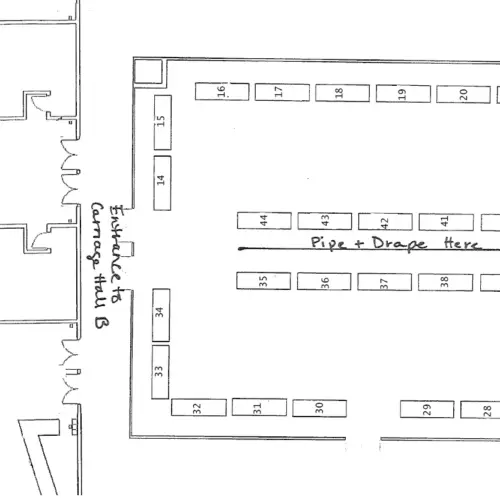
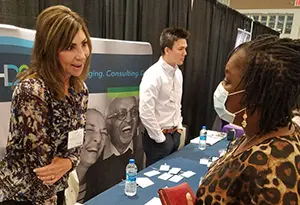
· Over 40 vendor displays highlighting products and services to support your work
· Session Schedule coming mid-June
· Education topics will include: assisted living regulations, assisted living survey trends, behavioral health and dementia, operational topics covering quality improvement, sales and marketing, activities, and more
Agenda
Wednesday, August 12
General Sessions Wednesday 9:00am – 11:45am
The Future of Assisted Living in Minnesota: A Panel Discussion 9:00am – 10:15am
- Examine current barriers to affordability, autonomy, and transparency in assisted living from multiple stakeholder perspectives.
- Identify shared goals to better support older adults seeking affordable assisted living options.
- Explore opportunities for collaboration and aligned action to improve access and outcomes for Minnesota’s aging population.
General Session – Minnesota Department of Health Assisted Living Updates 10:45am – 11:45am
- Identify policy changes from the 2026 Legislative Session that impact assisted living providers.
- Review recent assisted living licensure survey trends.
- Understand the latest OHFC report trends so you can avoid citations and maintain compliance.
Concurrent Sessions – Wednesday 12:45 – 1:45 p.m. 12:45pm – 1:45pm
Session 01 – Fire Safety and Evacuation Plans in Assisted Living 12:45pm – 1:45pm
- Identify practical compliance strategies for assisted living fire safety and evacuation planning, including the importance of conducting regular drills.
- Describe the key elements of an effective evacuation drill and the documentation that should be maintained.
- Recognize common survey deficiencies related to fire safety and evacuation plans in assisted living settings.
Session 02 – Working Together with Your Memory Care Families 12:45pm – 1:45pm
- Identify what families expect from a memory care setting, including communication and partnership with staff.
- Describe ways to coach families through the changing caregiver role after a loved one moves into memory care.
- Discuss strategies to manage expectations, respond to family concerns, and build trust between families and memory care staff.
Session 03 – Responding to Falls in Assisted Living 12:45pm – 1:45pm
- Identify key components of an effective falls management and prevention process in assisted living settings.
- Describe provider responsibilities when responding to resident falls, including considerations related to “no-lift” policies, staff response, and post-fall assessment.
- Discuss appropriate alternatives to non-emergency 911 use and recognize common surveyor expectations and citation risks related to fall response and resident safety.
Concurrent Sessions – Wednesday 2:15 – 3:15 p.m. 2:15pm – 3:15pm
Session 04 – Balancing Sales, Care, and Family Expectations in Assisted Living 2:15pm – 3:15pm
- Identify strategies to align marketing, admissions, and clinical teams to set realistic expectations before move-in.
- Explain assisted living licensure limitations and how to clearly communicate available services and care boundaries to families.
- Develop interdisciplinary communication practices and family engagement tools that reduce misunderstandings, complaints, and discharge conflicts.
Session 05 – Voice of the Resident: Turning Feedback into Action 2:15pm – 3:15pm
- Identify best practices for gathering meaningful resident and family feedback including what, when, and how often it should be gathered.
- Describe strategies for ensuring residents and families feel heard and valued.
- Gain a better understanding of correlations and what moves engagement the most.
Session 06 – Vulnerable Adult Maltreatment Mandated Reporting Requirements 2:15pm – 3:15pm
- Identify who may be a vulnerable adult and the different types of maltreatment, including abuse, neglect, and financial exploitation, defined under Minnesota’s Vulnerable Adult Act.
- Explain mandated reporter responsibilities, including when and how to report suspected maltreatment of vulnerable adults to the Minnesota Adult Abuse Reporting Center (MAARC).
- Understand what happens after a maltreatment report is made including required referrals by MAARC, jurisdiction of lead investigative agencies, initial and final determination of maltreatment, and the role of adult protective services.
Concurrent Sessions – Wednesday 3:30 – 4:30 p.m. 3:30pm – 4:30pm
Session 07 – Licensed Assisted Living Directors MN-BELTSS Updates 3:30pm – 4:30pm
- Identify important updates on licensee responsibilities and continuing education timelines.
- Discuss mentor information and resources.
- Explain the rule-making process, potential changes, and new fee structure.
Session 08 – Social Search to AI Summaries: The Future of Brand Visibility 3:30pm – 4:30pm
- Recognize how today's families discover and vet senior living options and understand what it means for how your organization shows up (or doesn't) in those moments.
- Identify the key signals that determine whether your community is visible and credible in AI-powered search results, including review volume and recency, and consistent local content across platforms.
- Apply at least three practical strategies to improve your organization's discoverability and digital reputation–even without a dedicated digital agency on staff.
Thursday, August 13
Concurrent Sessions – Thursday 8:30 – 9:30 a.m. 8:30am – 9:30am
Session 09 – Top Risks: Food Safety, Medication Mgmt, and Elopement Prevention 8:30am – 9:30am
- Examine trends and root causes behind frequently cited assisted living deficiencies and complaints related to food services, medication practices, and resident elopement.
- Explore real-world practices that organizations can implement to reduce risk, improve staff response, and enhance resident outcomes.
- Access and integrate LeadingAge Minnesota resources that support sustainable quality improvement and survey readiness.
Session 10 – Can You Hear Me Now? 8:30am – 9:30am
- Develop a greater understanding of your own style of communication.
- Gain a greater understanding of your colleagues’ style of communication.
- Apply relatable action steps to improve overall teamwork and communication within your community.
Session 11 – Strategies for Activities Using the Geriatric Montessori Approach 8:30am – 9:30am
- Describe how purposeful activities and meaningful engagement can support emotional well-being, social connection, and a sense of purpose for older adults.
- Identify strategies for adapting activities to match an individual’s strengths, interests, and current abilities.
- Apply practical Geriatric Montessori techniques, including offering choice, simplifying tasks, and using multi-sensory engagement to promote participation and independence.
Concurrent Sessions – Thursday 9:45 – 10:45 a.m. 9:45am – 10:45am
Session 12 – Navigating DHS Expectations in Assisted Living 9:45am – 10:45am
- Understand key DHS reimbursement processes and requirements that affect Assisted Living providers and day-to-day operations.
- Prepare for DHS Heightened Scrutiny and revalidation processes by understanding key expectations, common documentation needs, and strategies to support ongoing compliance.
- Strengthen collaboration with case managers through clearer communication, more effective service coordination, and shared focus on resident outcomes.
Session 13 – Empowering Frontline Teams with Needed De-escalation Skills 9:45am – 10:45am
- Understand your role in maintaining a calm and safe memory care environment.
- Identify communication skills and scripts to establish and maintain trust.
- Understand a 7-step process to P.R.E.V.E.N.T. and de-escalate behavioral challenges.
Session 14 – Emergency Preparedness in Assisted Living 9:45am – 10:45am
- Describe the core elements of an emergency preparedness plan and how to tailor the plan to your setting.
- Discuss what surveyors are looking for in a plan and the compliance gaps they are finding.
- Identify tools and resources available to support assisted living providers with disaster planning and emergency preparedness.
Concurrent Sessions – Thursday 11:15 a.m. – 12:15 p.m. 11:15am – 12:15pm
Session 15 – Beyond Clean: Environmental Services Shapes Image, Safety, and Care 11:15am – 12:15pm
- Discuss how preventative maintenance strategies support resident safety and regulatory compliance.
- Explore the role of environmental services in supporting organizational marketing efforts and collaborating with marketing teams to enhance resident and family perceptions.
- Examine the critical role environmental services plays in infection prevention and control practices.
Session 16 – Drug Diversion: It Can Happen Anywhere 11:15am – 12:15pm
- Review regulatory obligations regarding drug diversion prevention and reporting so participants can develop strategies to mitigate risks associated with drug diversion.
- Identify best practices aimed at preventing and detecting drug diversion.
- Understand when to contact outside agencies and law enforcement and manage relationships with those outside agencies.
Session 17 – Ethical Decision Making in Long-Term Care 11:15am – 12:15pm
- Identify the four principles of ethics: autonomy, nonmaleficence, beneficence, and justice.
- Discuss ways to explore some of the most common ethical issues in long term care.
- Outline how to develop strategies for having difficult ethical conversations with today’s seniors.
Concurrent Sessions – Thursday 1:15 – 2:15 p.m. 1:15pm – 2:15pm
Session 18 – Top 5 Recruiting Strategies for Long-Term Care 1:15pm – 2:15pm
- Design and implement a comprehensive onboarding, orientation, and performance framework that aligns new hires and current staff with organizational standards and goals.
- Facilitate structured communication practices – including goals, letters, monthly team meetings, and 1:1s – that drive accountability and engagement.
- Develop and sustain cross-functional workgroups to empower frontline staff and accelerate progress on key workforce initiatives.
Session 19 – Care Planning for Substance Abuse, Addiction, and Overdose Response 1:15pm – 2:15pm
- Identify current trends and risk factors related to substance use, addiction, and overdose among older adults.
- Describe assessment and care planning strategies for residents with known or suspected substance use concerns.
- Review documentation, investigation, and reporting expectations using real case examples and common deficiency findings.
Session 20 – Practice Standards Versus Compliance – Finding the Balance 1:15pm – 2:15pm
- Differentiate between professional practice standards and regulatory compliance requirements for licensees.
- Identify common situations where professional judgment and regulatory expectations may create competing priorities.
- Apply practical strategies to balance resident-centered care, regulatory compliance, and professional accountability.
Concurrent Sessions – Thursday 2:45 – 3:45 p.m. 2:45pm – 3:45pm
Session 21 – Aging with IDD and Dementia: Considerations for Assisted Living 2:45pm – 3:45pm
- Identify how trauma and grief can influence mental health and emotional well-being in older adults.
- Recognize common signs and responses to loss, transition, and unresolved trauma in later life.
- Explore compassionate, person-centered approaches to supporting older adults experiencing grief and mental health challenges.
Session 22 – Addressing Violence Towards Staff in Assisted Living Settings 2:45pm – 3:45pm
- Recognize behaviors and environmental factors that may increase the risk of violence toward staff in assisted living.
- Identify essential steps for HR and supervisors to take in responding to incidents of workplace violence against staff.
- Evaluate how providers can strengthen policies, reporting systems, training, and staff support following incidents.
Session 23 – Creating Inclusive Communities: Supporting LGBTQ+ Older Adults 2:45pm – 3:45pm
- Distinguish between key concepts including sex assigned at birth, sexual orientation, gender identity, gender expression, and chosen family using respectful, person-centered language.
- Examine how historical events, discrimination, policy changes, and the HIV/AIDS epidemic have shaped the experiences and service needs of LGBTQ+ older adults.
- Apply practical tools, resources, and best practices to foster an affirming, inclusive, and welcoming assisted living environment for LGBTQ+ residents, families, and staff.
Exhibit at the Assisted Living Conference
This expo is sold out. Please contact Jenny Prosser at jprosser@leadingagemn.org to be placed on the waitlist.
Become a Sponsor
Learn about sponsoring LeadingAge Minnesota events throughout the year.
Contact Us

Olivia Scott
Events and Education Coordinator

Jenny Prosser
Vice President of Events, Education, and Experiences

Join Our Association of Aging Services Professionals
Together, we are enhancing the experience of aging for Minnesota's seniors.
Become a Member