

Aging Forward August 2026
Featured News
Aging Is Everyone’s Issue: New Toolkit Helps Communities Take Action
On August 18, 2026 by Gina DiMaggio
Connected Communities is proud to announce the launch of its new toolkit, a practical, community-informed resource designed to help Minnesota communities strengthen social connection, support aging well, and create places where people of all ages can thrive.
The toolkit was shaped directly by the experiences of five Connected Communities pilot sites across Minnesota, where local leaders, organizations, older adults, and community members have spent the past six years testing new ideas, building partnerships, and addressing the issues most important to their own communities. Rather than offering a one-size-fits-all model, the Connected Communities approach encourages communities to identify their greatest local challenges, from social isolation and transportation to housing, mental health, civic engagement, and access to services, and build solutions that reflect their unique strengths and needs.
Aging’s Wide Reach
At its core, Connected Communities recognizes that aging is not a niche issue area. It is a cross-cutting demographic reality that intersects with nearly every aspect of community life, including healthcare, housing, workforce, transportation, economic development, and social connection, creating opportunities for people across sectors to see themselves in the work and at the table.
The impact of this work is already measurable. In 2025 alone, two of the five pilot communities generated an estimated $1.5 million in health savings, impacted nearly 3,500 people through healthcare and social determinants of health (SDoH) resources, and engaged nearly 4,500 people in social connection and mental health programs designed to reduce isolation, support mental health, and strengthen community belonging.
Toolkit Use
The new toolkit captures the lessons, strategies, and successes emerging from these pilot communities and turns them into practical guidance that other communities can adapt and use. Whether you are a senior care provider, city leader, nonprofit organization, healthcare provider, housing partner, faith community, or community advocate, the toolkit offers actionable ideas grounded in real-world experience, proving that stronger, more connected communities are possible in places of every size, including rural communities.
Explore the Connected Communities toolkit and discover how communities across Minnesota are building a more connected future for all ages.
Click here to access the toolkit.
Notable News
34 Scholars Take the Next Step in Aging Services
On August 18, 2026 by Gina DiMaggio
Behind every scholarship is a person taking an important next step: earning a credential, completing a degree, preparing for a new role, or building a long-term career serving older adults.
In 2026, the LeadingAge Minnesota Foundation board awarded 34 scholarships totaling $58,500, the largest dollar amount awarded in the scholarship program’s history. The Foundation also received more applications than ever before. That unprecedented response reflects both the need for financial support and the tremendous interest among aging services professionals in learning, advancing, and building their futures in the field.
At a time when aging services organizations across Minnesota need skilled and committed professionals, that desire for growth is encouraging. It shows that people already serving older adults are eager to deepen their expertise, take on greater responsibility, and continue doing meaningful work in their communities.
This year’s recipients are pursuing education across a remarkable range of disciplines, including social work, cybersecurity, nursing at every level from associate degrees through doctoral programs, human resource management, and healthcare administration. That breadth is an important reminder that serving an aging population takes more than any one profession. It requires compassionate people with different skills working together to provide excellent care and build strong, responsive organizations.
Scholarship funding can help offset tuition, books, fees, training, and other educational expenses that might otherwise make advancement difficult or place it out of reach. For recipients, that support can open the door to a new credential, position, or leadership opportunity. For aging services organizations, it can help retain talented employees, develop leaders from within, and create clearer pathways toward meaningful, long-term careers. For older adults and their families, it contributes to a stronger and more stable workforce.
Each of this year’s recipients brings a different combination of experience, ambition, and commitment to aging services. The stories of Jennifer Schreifels, Sheillah Marwa, Gwen Nelson, and Thomas Gregg offer a glimpse of the people behind this year’s record scholarship investment and the many ways continued education can strengthen care for older adults.
From “Nurse Jennifer” to Educating the Next Generation
At 11 years old, Jennifer Schreifels sat in a hospital waiting room while her father underwent cancer treatment. She would pull a Scrabble game from the shelf, arrange the tiles to spell “Nurse Jennifer,” and pretend to care for patients. After her father died, the compassion his nurses showed her family revealed what nursing could truly mean: being present when people need you most.
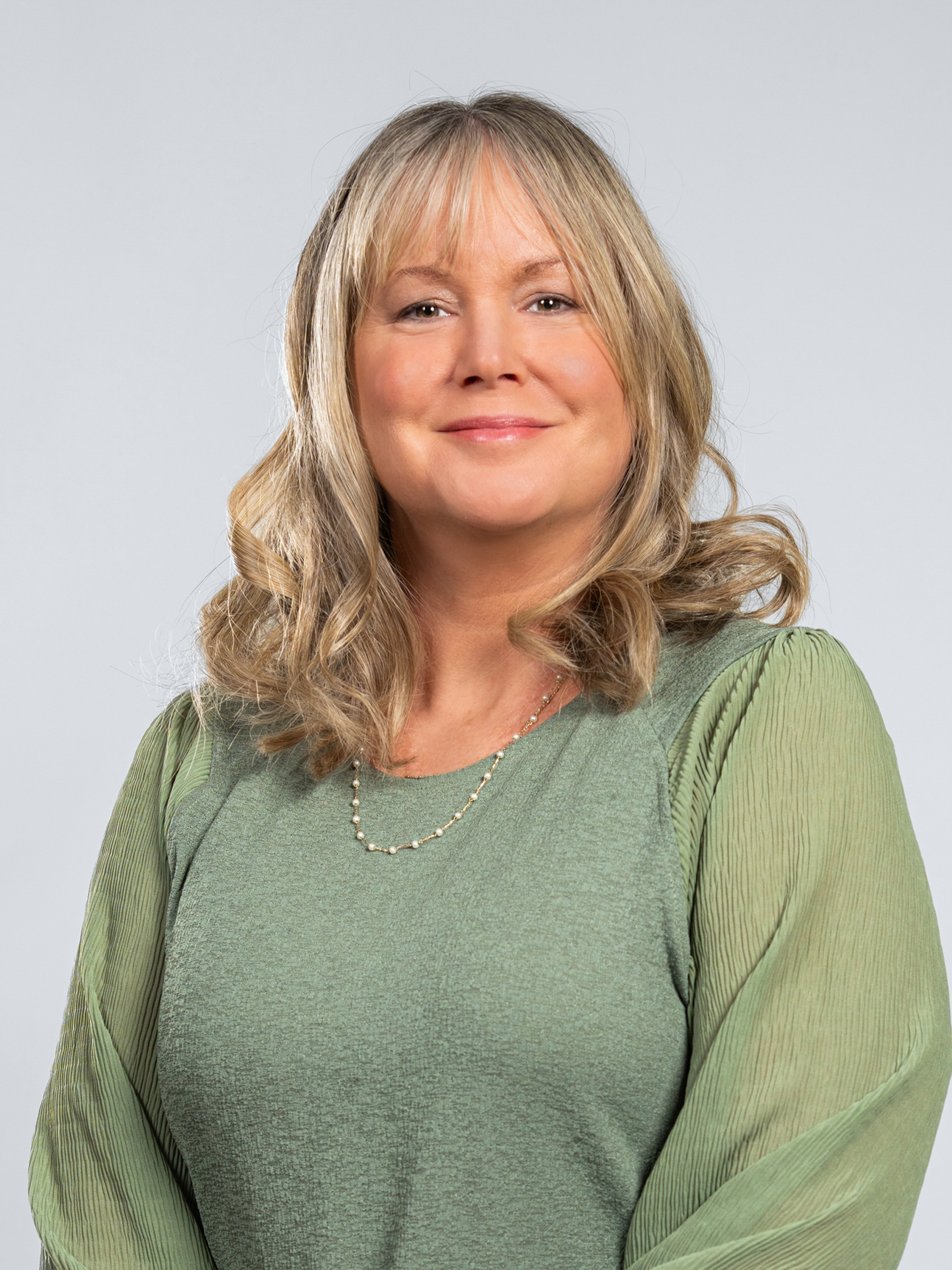
Jennifer went on to become an LPN, then an RN, and found her calling in long-term care. Today, she serves as a nurse educator at Guardian Angels, where she teaches nursing assistant classes, leads dementia training, and supports new employees. She helps students see residents not as tasks to complete, but as people with stories, dignity, and purpose.
After 27 years in the field, Jennifer is pursuing her bachelor’s degree to deepen her skills and expand her work as an educator. She hopes eventually to earn a master’s degree and continue inspiring future caregivers to discover the meaning and joy of serving older adults.
“I want this not just for myself, but for the future of the people we serve,” Jennifer says. “Our healthcare system urgently needs compassionate, dedicated nurses and nursing assistants, and it needs educators who can inspire them.”
For Jennifer, continuing her education is not about beginning a new career. It is about building on nearly three decades of experience and becoming an even stronger mentor, educator, and advocate for the future of long-term care.
Caring for Elders as a Privilege
Growing up in Africa, Sheillah Marwa watched her father care for his aging mother at home. In her culture, elders are honored as keepers of wisdom, family history, and tradition. Preparing their meals, helping them walk, and listening to their stories were not simply responsibilities. They were expressions of gratitude and respect.
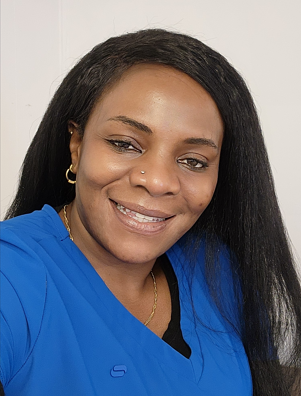
Those values followed Sheillah to Minnesota and now shape her work as a nursing assistant with Ebenezer. Having served older adults in memory care, assisted living, and transitional care, she approaches each resident as she would a member of her own family. She understands that caregiving is not only about completing a task. It is also about helping someone feel safe, valued, and known.
Sheillah has seen the power of that approach in residents who trusted her through recovery, found calm in a familiar song, or needed someone to hold their hand at the end of life. “Caring for older adults is not just a job,” she says. “It is a privilege.”
Now pursuing her Bachelor of Science in Nursing, Sheillah hopes to provide a higher level of care, mentor other caregivers, and advocate for older adults. She wants to grow from a caregiver providing essential hands-on support into a nurse who can lead, teach, and help improve care throughout her organization.
Her story illustrates how cultural traditions of honoring elders can enrich Minnesota’s aging services workforce, bringing a deep sense of respect, community, and purpose to the care of older adults.
A Nurse Through and Through
Early in her nursing career, Gwen Nelson cared for a resident whose carefully styled hair and red lipstick were central to her identity. No matter how busy the day became, Gwen found time to arrange her hair in a French roll and apply that familiar shade of red. It was a small act, but one that protected something important: the resident’s sense of self.
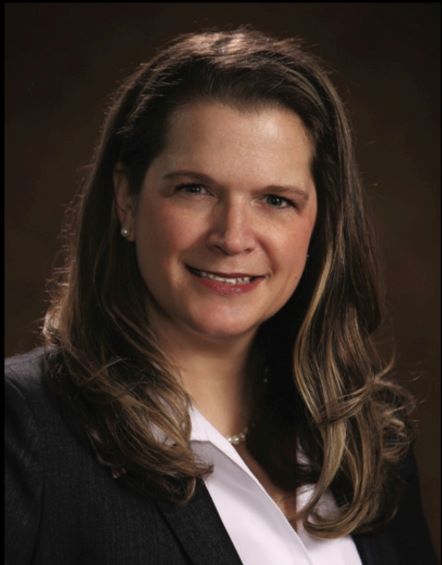
That same conviction has guided Gwen throughout her career. Whether caring for someone with complex medical and behavioral needs or learning from a rural physician who once accepted chickens as payment, she has never forgotten that every person has a story and deserves to be treated with dignity.
Gwen briefly explored careers in information technology and real estate, but the pandemic clarified what she had always known: she is a nurse through and through. Today, she provides direct care at Our Lady of Peace Hospice, accompanying patients through the final chapter of their lives with respect, love, and a commitment to seeing the person beyond the diagnosis.
After 27 years as an LPN, Gwen is pursuing the RN and BSN education she first envisioned at the beginning of her career. She plans to enroll in St. Catherine University’s evening BSN program, the same university from which her eldest daughter graduated. Gwen hopes the degree will allow her to guide care decisions, strengthen staff training, and help shape a more holistic approach for every patient and family at Our Lady of Peace.
“I never want anyone in any situation to feel they have been ‘warehoused,’” Gwen says. “Each person has inherent worth and absolutely deserves nothing but the best I can give at the end of their journey.”
Always Seeing the Person
For months, Thomas Gregg cared for a resident who had experienced a stroke. She could not speak or track movement with her eyes, but Thomas and a coworker continued including her in their conversations, sharing stories and updating her on their lives as they provided care.
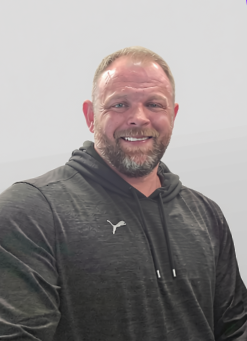
Then one day, Thomas glanced at his coworker in surprise and noticed the resident doing the same. When he spoke to her, she looked at him and followed him with her eyes around the bed. Over time, Thomas watched her regain the ability to walk and talk and eventually return home with her husband. “It was absolutely beautiful and a blessing to experience,” he says.
That moment reflects the approach Thomas has brought to 19 years in long-term care: always recognizing the person, even when illness makes that person difficult to reach. He has learned that meaningful care can be found in dramatic recoveries and everyday joys, from arranging an annual birthday margarita for a resident who could move only her eyes and jaw to sharing a daily greeting with someone who enjoyed people-watching near the front door.
Although Thomas initially chose long-term care for practical reasons after becoming an LPN, the relationships he formed quickly transformed a job into a calling. Now, he is pursuing a longtime dream of becoming an RN. The degree will build on nearly two decades of hands-on experience, allowing him to expand his clinical skills, assume greater responsibilities, and advocate even more effectively for residents.
Thomas plans to remain at Mount Olivet and serve wherever he can make the greatest difference, whether providing direct care, mentoring colleagues, supporting families, or stepping into leadership. Whatever his role, his purpose will remain the same: to ensure that every older adult feels seen, heard, and valued.
Making the Next Opportunity Possible
Jennifer, Sheillah, Gwen, and Thomas represent only a portion of the talent, dedication, and potential found across this year’s scholarship class.
Since 2014, the Foundation has awarded more than 285 scholarships totaling over $387,000. The impact of that investment continues well beyond the semester or program in which a scholarship is awarded. Recipients have used their education to deepen their skills, advance from frontline positions, become nurses and leaders, mentor colleagues, and continue serving older adults and their communities.
The Foundation congratulates all 34 members of its 2026 scholarship class and thanks the donors, partners, golfers, sponsors, and volunteers who make these opportunities possible. Together, they are doing more than funding education. They are investing in people, strengthening Minnesota’s aging services workforce, and helping ensure that older adults and families can rely on exceptional care for years to come.

2026 Scholarship Recipients
Ahn Wilcox; Albert Sudue; Alexis Schmalz; Alyssa Skoog; Amber Dawn Johnston; Anne Ortquist; Ashley Robinson; Crystal A. Parker; Crystal Doucette; Danelle Blight; Gwen M. Nelson; Hailee Martin; Ivory King; Ivy Namba; Jennifer Lyn Schreifels; Jessica Bruxvoort; Juliette Ghong; Katie Schreck; Kayla Bober; Kaylyn Wacker; Kristina Davis; Lora Faber; Madison Slettedahl; Margaret Holm-Wachholz; Mohamed Besse Turay; Nafiso Hassan; Nicole Johnson; Priscilla Osei; Sara Beckendorf; Sheillah Marwa; Stephanie Bausworth; Taminko Hart; Taylor Tierney; and Thomas Gregg.
Building a More Welcoming Aging Services Workforce
On August 18, 2026 by Anna Mowry
New Americans are essential to the present and future of Minnesota’s aging services workforce. Yet immigrant and refugee employees can encounter language barriers, unfamiliar workplace expectations, and limited access to the support needed to build lasting careers. Employers also need practical tools to recruit, welcome, and retain an increasingly diverse workforce.
Through the first round of Minnesota’s Supporting New Americans in the Long-Term Care Workforce grant, the LeadingAge Minnesota Foundation transformed these challenges into opportunities for action.
With $934,332 in funding from the Minnesota Department of Human Services (DHS) GEAR Division, the Foundation developed a statewide collection of multilingual resources, employer tools, and training and language-access technology. The work was shaped by advisory councils that included New American employees and aging services employers, ensuring the resulting resources reflected both lived experience and workplace realities.
Practical Guidance for Employers
One of the initiative’s newest resources is How to Recruit, Retain & Advance New Americans in the Aging Services Workforce, a 64-page interactive guide accompanied by 13 practical tools.
The guide helps employers examine each stage of the employee experience—from recruitment and onboarding to belonging, retention, and advancement. Rather than offering general workforce advice, it addresses challenges that can arise when welcoming employees from different cultural, linguistic, and professional backgrounds.
Within the first weeks of its launch, the guide was downloaded hundreds of times, and providers across Minnesota requested printed copies to help put its strategies into action.
A companion webinar series, From Recruitment to Retention: Supporting New American Employees, provides four no-cost, on-demand sessions that help employers put these strategies into practice.
Learning Directly from Aging Services Providers
The Foundation also produced The Business Case for Inclusive Hiring: Provider Insights, a collection of video interviews with Minnesota aging services leaders.
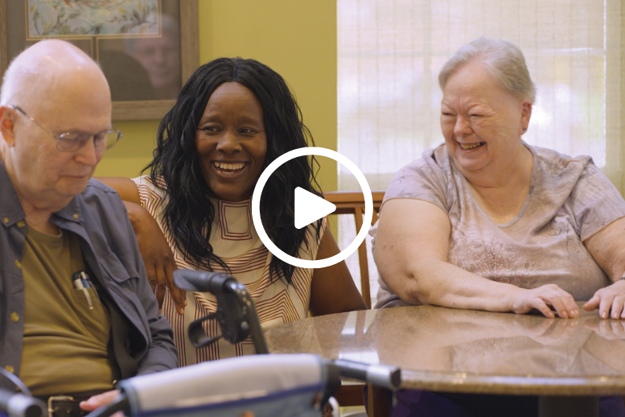
In these brief videos, providers explain how inclusive employment practices have strengthened their teams, improved workplace culture and supported high-quality resident care. Their stories demonstrate that creating a workplace where New Americans can succeed is not a stand-alone diversity initiative—it is an important workforce and operational strategy.
The provider videos complement a five-part, documentary-style series created to introduce New Americans to careers in aging services. Available in English, French, Hmong, Oromo, Somali, Spanish, Swahili, Tagalog and Ukrainian, the series offers an accessible and realistic look at working in Minnesota’s aging services settings.
A campaign promoting the series generated over 1.8 million views, helping the Foundation reach potential workers across the region.
Removing Language and Access Barriers
Other grant-supported resources include:
-
A multilingual audio glossary featuring 186 common aging services terms and definitions in English, Hmong, Somali, Spanish, Swahili, Tagalog and Ukrainian.
-
Bilingual learning journals, test preparation and practice resources for participants in the Foundation’s OnTrack Nursing Assistant training program.
-
An interactive map connecting New American employees and their families with more than 250 community organizations, workforce programs and family supports.
-
Distribution of 143 Pocketalk S2 Business translation devices to aging services providers throughout Minnesota, expanding access to HIPAA-compliant, real-time interpretation in more than 90 languages.
Together, these efforts have helped prospective employees better understand aging services careers while giving employers concrete tools to improve communication, onboarding, retention and advancement.
Continuing the Work through a Second Grant
The completion of this first grant represents an important milestone, but not the end of the work.
The LeadingAge Minnesota Foundation has received a second grant from DHS’s GEAR Division of $750,000 to build on what was learned and created during the first initiative. The next phase, Strengthening Bridges, will deepen connections among aging services employers, New American communities and workforce partners.
The work will include regional job fairs in five areas of Minnesota, a professional network that elevates the experiences and expertise of New American employees, expanded language-access support, additional employer tools and enhancements to CaringCareersStartHere.com.
For the Foundation, the two grants demonstrate what becomes possible when philanthropic and public investments are paired with trusted relationships, sector knowledge and the voices of those most directly affected.
By building practical infrastructure—not simply one-time programming—the Foundation is helping aging services organizations become stronger employers while opening more pathways for New Americans to build meaningful, lasting careers serving older Minnesotans.
OnTrack in Action: Growing Minnesota’s Aging Services Workforce
On August 18, 2026 by Anna Mowry
Earlier this year, the LeadingAge Minnesota Foundation introduced the largest expansion in OnTrack’s history: a new Trained Medication Aide program, multilingual nursing assistant resources, website enhancements and a statewide strategy to connect more employers and learners with training.
Now, the results are beginning to show what that expansion means in practice.
Since its launch in 2018, OnTrack has enrolled more than 11,000 nursing assistant learners across Minnesota. In 2025 alone, approximately one in 10 people taking Minnesota’s nurse aide competency examination had received their training through OnTrack.
That reach continued during the first half of 2026, when 760 nursing assistant learners enrolled through 140 participating programs. At the same time, providers began adopting the new OnTrack Trained Medication Aide pathway, with 31 programs registered and 43 learners beginning their training by midyear.
Together, these results demonstrate the demand for flexible, employer-connected training designed specifically for aging services.
Hear from the People Using OnTrack
Numbers demonstrate OnTrack’s reach, but the experiences of participating employers, trainers and learners show its impact.
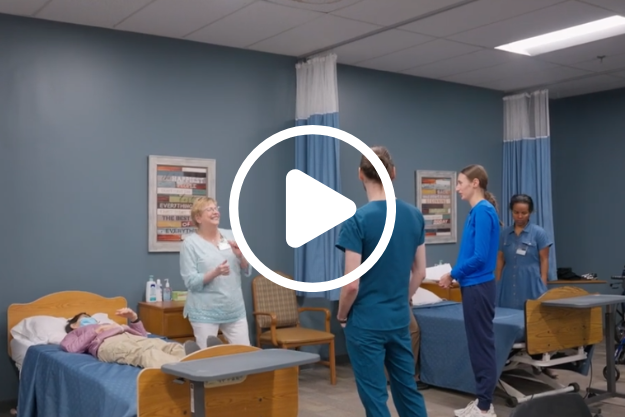
In a new video, OnTrack participants share how the program is helping organizations develop their own workforce and giving learners a flexible, supportive way to begin or advance an aging services career.
Their perspectives highlight what makes the model effective: online education that can be completed with greater flexibility, hands-on instruction delivered through approved local programs and a direct connection between training and employment.
For providers, this means an opportunity to build a workforce pipeline tailored to their organization and community. For learners, it means being able to train closer to home and, in many cases, through an employer already invested in their success.
Watch OnTrack in action: View the new OnTrack video
Early Progress for New Learner Supports
Organizations have also begun using the Spanish, Somali and Hmong supplemental materials introduced for OnTrack nursing assistant learners in January – funded by the Department of Human Services GEAR Division.
These materials reinforce key concepts, support comprehension and help multilingual learners build confidence while completing required instruction and competency evaluations in English.
A new video provides employers, workforce partners and prospective learners with a closer look at how the translated materials work and how they can be incorporated into an approved OnTrack program.
See the multilingual resources: Watch the translated learner-support video
Bringing Proven Solutions to More Communities
The Foundation is pairing these program innovations with a broader statewide outreach strategy. New digital campaigns, videos and website improvements are making it easier for employers and learners to understand OnTrack and take the next step.
Targeted outreach is also connecting the program with more than 1,000 aging services providers, schools, workforce agencies and community-based organizations. These partnerships are especially important in communities where access to traditional training may be limited by geography, scheduling, transportation or instructor capacity.
OnTrack’s growth reflects the LeadingAge Minnesota Foundation’s role as an incubator of practical workforce solutions. The Foundation identifies persistent barriers, develops models informed by providers and learners, and builds the infrastructure needed to bring promising approaches to scale.
As OnTrack enters its next phase, the opportunity extends beyond increasing enrollment. Its growing platform offers a foundation for additional career pathways, new partnerships and continued innovation across Minnesota’s aging services workforce.
Explore OnTrack or learn how to participate:
-
Call 651-425-1110
Record-Breaking Golf Tournament Drives Investment in Caregivers
On August 18, 2026 by LeadingAge Minnesota
A beautiful summer day, a full course of generous supporters, and a shared commitment to Minnesota’s aging services community made the 2026 LeadingAge Minnesota Foundation Golf Tournament one for the record books.
Held Aug. 4 at Prestwick Golf Club in Woodbury, this year’s tournament raised nearly $108,000 before expenses—a record-breaking total that will help fund the Foundation’s 2027 caregiver scholarship program.
The success of the tournament was made possible by the generosity of LeadingAge Minnesota members, sponsors, volunteers and everyone who participated in on-course games and purchased tickets throughout the day. Together, their support turned an enjoyable day on the golf course into an investment in the people who make quality care and services possible for older adults across Minnesota.
Investing in Caregivers
The LeadingAge Minnesota Foundation supports initiatives designed to transform how we care for and serve older adults. That work includes building the workforce of tomorrow, developing future leaders and fostering collaborations that improve the experience of aging across the state.
The annual golf tournament plays an important role in that mission by raising funds specifically for the Foundation’s statewide caregiver scholarship program. Available to employees of LeadingAge Minnesota member organizations, the scholarships help people working in aging services pursue education and professional development that can strengthen their skills and create new opportunities for career growth.
For scholarship recipients, that support can help make the next step in their education more attainable. For their organizations, it represents an investment in retaining and developing talented people. And for older adults and their families, it helps strengthen the workforce they rely on every day.
At a time when recruiting, developing and retaining caregivers remains one of the most important challenges facing aging services, investments in education can have an impact well beyond an individual scholarship recipient. They help caregivers see a future in this field and create pathways for dedicated employees to continue learning, growing and advancing in their careers.
A Community Effort
The record-breaking results from this year’s tournament demonstrate what is possible when the LeadingAge Minnesota community comes together around a common purpose.
The Foundation extends its sincere thanks to everyone who made the 2026 tournament possible—from the sponsors whose generosity provided essential support, to the golfers who filled the course, and to the volunteers who helped the day run smoothly.
Because of you, the Foundation will have significant funds to support the next round of caregiver scholarships and invest in the people who dedicate their careers to serving older adults in Minnesota.